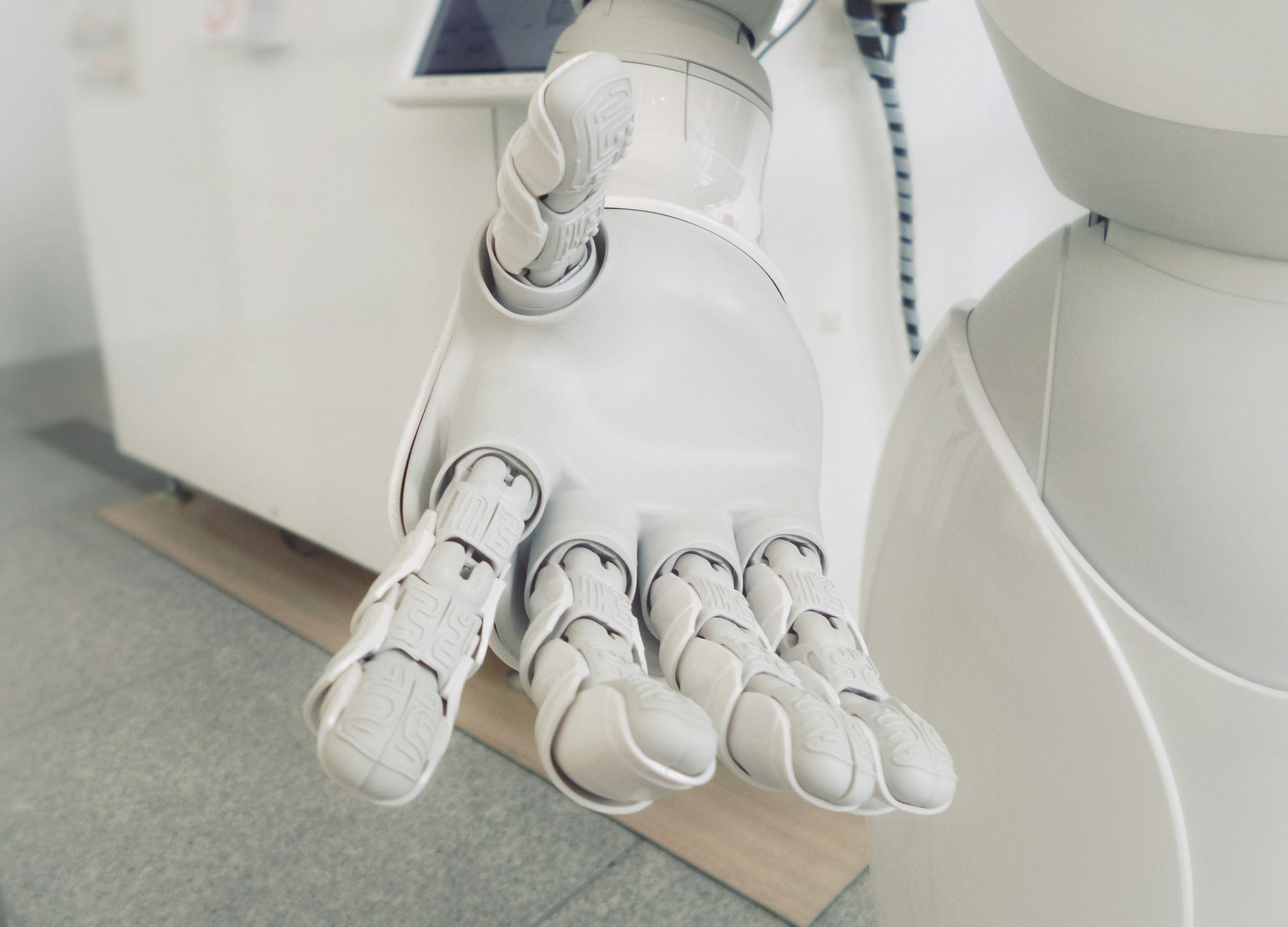
The humanoid robot form factor makes sense once you look at the data
Part 3 of a five-part series on how humanoid robots quietly became investable while everyone was watching large language models.

Amazon operates more than a million mobile robots across its fulfillment network, the overwhelming majority of them wheeled carts with names like Hercules and Proteus (to me, they look like giant pizza boxes zooming around). Meanwhile, Digit, the humanoid that Agility Robotics has piloted for several years now, remains stuck in pilot status because for nearly every task a humanoid can attempt inside a warehouse, Amazon already owns a purpose-built wheeled robot that does the same job faster and more reliably.
That being said, if the humanoid robot form factor is, on its engineering merits alone, a fairly bad idea, it's still a winning proposition. And that the reason it is winning, anyway, has almost nothing to do with mechanics but with the monstrous problem it will solve at scale.
The human body is poor industrial engineering
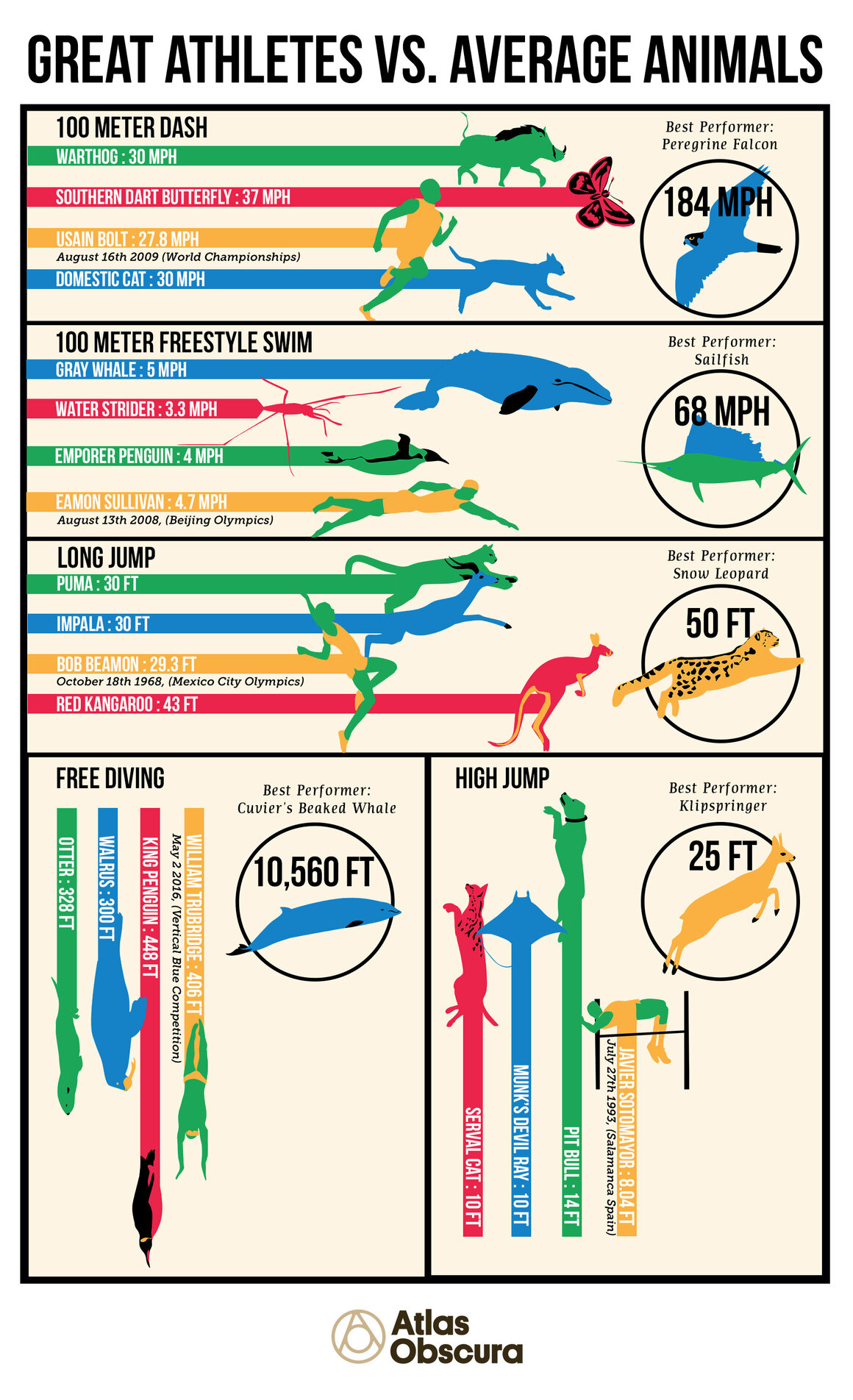
In nature, humans are bad at lifting, running, jumping, crawling, or swimming relative to our own body mass. We are also quite slow relative to wheels on flat ground, and the biomechanics of our bipedal balance is a hard compute-and-control problem that is unnecessary to address in a warehouse or on a production line. Again, Amazon's own fleet is the clearest evidence available: its wheeled Hercules and Proteus units number over a million. Their superpower? They never need to solve for falling over, and they can be built cheaper and more ruggedly than anything with two legs.
Years ago, one industry commentator, reviewing Amazon's robotics roadmap, described the Digit pilot as closer to "a fun story" for the press than a genuinely serious deployment path.
Imitation learning is the game changer
Here's the thing, though, a perfect five-armed, four-wheeled robot that could be more power-efficient and have enough axes of freedom to handle any task in a factory, has to be trained (or programmed). Every task to be achieved must be decomposed step by step and fed into the system. Learning more tasks on one's own, while reasonably possible, will require numerous (thousands? millions?) trials and errors to adjust and converge toward the best possible outcome for said task.
But a humanoid robot can be trained through imitation learning on first-person human video: hand positions, arm trajectories, whole-body balance, all captured from head-mounted or chest-mounted cameras and mapped onto the robot's own embodiment. YouTube might even, in some cases, be enough input to kick off the process. Every warehouse worker, every line assembler, and every home cook has been generating usable demonstration footage for the human form factor for as long as there have been cameras pointed at people doing ordinary things.
Other robotic platforms? They have no equivalent training corpus to draw on. And if Amazon's pizza boxes are so efficient? It's that they just move around a 2D grid and push up or down on mobile shelves. Training here is quite fast, and mostly the sorting algorithm does all the work.
This is, I think, the key explanation for why the humanoid robot form factor advantage exists at all, and it has nothing to do with lifting capacity or stability. The bad industrial engineering of the human body turns out to be an excellent match for the one resource that AI training pipelines actually need, which is an enormous, already-existing library of footage of human bodies performing tasks worth automating.
The kicker? No factory retooling or adaptation
But what I see as the long-term jackpot is that when highly efficient, specialized robots are tested (and in some cases already deployed), they require specialized factories. Remove all humans, and the assembly-line logic can be entirely different, with greater verticality, no light required, and a vastly more compact design altogether. To some degree, these new factories are the real robots with smaller robots inside.
A huge machine operating on its own logic.
Again, on paper, it is much more efficient, but also new paradigms to implement, and don't even think of retrofitting your five-year-old factory into a fully robotic one. This huge asset you recently invested in has to be depreciated by 90% overnight. This route, A.
Route B is very different: keep your current factories, which you've invested tens of millions into (if not more), and swap out your human workforce for humanoid robots that work 24/7. Your most expensive asset is preserved, processes, and quality control change very little, but your productivity increases N-fold. Yes, I do understand how dystopian it sounds, and we've seen how quickly some US companies fired thousands of people when trying to implement unproven AI technology. And it's somehow why it will be the most plausible scenario...
Also understand that this is genuinely important for any large European manufacturer sitting on decades of brownfield capacity, whether in automotive, aerospace, or industrial components. The capital cost and production downtime of rebuilding an existing line around fixed automation will, in most legacy facilities, dwarf the price of the robot fleet itself.
Obviously, this logic has limits. Complex trim and final assembly work, dealing with uncontrolled parts and tight tolerances, remains genuinely difficult to automate with current humanoid dexterity, and manufacturers testing these platforms today are, sensibly, starting with simpler material-handling and logistics tasks rather than the hardest stations on the line.
The final article in this series turns to the geopolitical dimension of this story and to why China's approach to gathering the training data these robots depend on may put it ahead of the United States, regardless of which country builds the more capable underlying model.
Previously:
 Philippe MEDA
 Philippe MEDA